
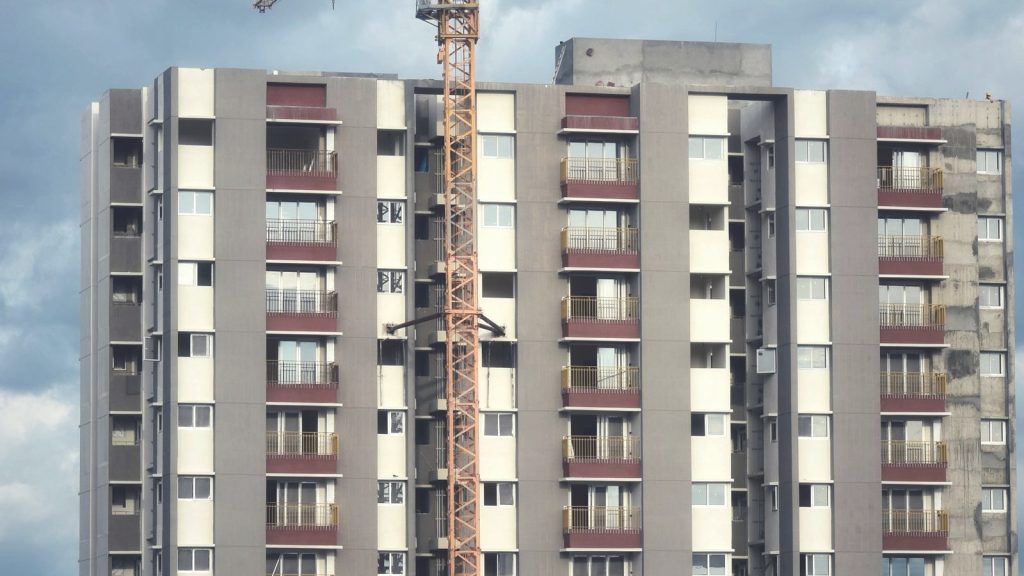
From 1 April 2025, a ban on foreign buyers purchasing established homes — now extended to 30 June 2029 — has changed the landscape. Here is what agents must know — and why it actually simplifies the market.
The 2025 Established Homes Ban: What Changed
Effective 1 April 2025, the Australian government introduced a temporary ban on foreign persons purchasing established dwellings in Australia. The ban now runs until 30 June 2029 — extended from the original 31 March 2027 end date — and applies to virtually all foreign buyers, including temporary residents who were previously permitted to purchase one established home as their primary residence.
| ? As of 1 April 2025: Foreign persons are banned from purchasing established residential dwellings in Australia until 30 June 2029 (extended from the original 31 March 2027). New builds, off-the-plan properties, and house-and-land packages remain available to foreign buyers with FIRB approval. (Source: ATO / Australian Government) |
The purpose of the ban is to reduce pressure on the housing market and increase the availability of established homes for Australian citizens and permanent residents. Limited exceptions exist for investments that significantly increase housing supply and for spouses of Australian citizens or permanent residents purchasing jointly.
For real estate agents, this change simplifies one thing significantly: when working with any foreign Chinese buyer, the conversation about what they can purchase is now much simpler. With FIRB approval, they can buy new builds, off-the-plan apartments and vacant residential land to build on. Established homes are off the table.
What Foreign Buyers Can Still Purchase
Despite the established homes ban, foreign buyers have meaningful options in the Australian market:
- Newly constructed homes — dwellings that have not previously been occupied or sold as residential property.
- Off-the-plan apartments — purchased before or during construction, prior to first occupancy.
- House-and-land packages — in approved new development areas, subject to FIRB approval and development commencement conditions.
- Vacant residential land — for development, subject to conditions on construction timelines.
FIRB application fees apply for all these purchases and vary based on property value. These fees are paid by the buyer. Buyers should obtain formal FIRB approval before exchanging contracts.
Why This Actually Aligns With Chinese Buyer Preferences
Here is the practical reality: the 2025 established homes ban does not significantly restrict what most Chinese buyers actually want to purchase anyway. New builds and off-the-plan properties are consistently preferred by Chinese buyers for cultural reasons — new construction is associated with good fortune, carries no history of previous occupants, and typically features the clean floor plans and modern finishes that Chinese buyers value.
The ban therefore creates less friction than it might appear. The buyers who are most affected are temporary residents who previously could purchase an established home as a primary residence. For offshore investors and overseas buyers, the new-build preference was already the dominant pattern.
For Chinese Buyers Who Are Permanent Residents or Citizens
It is important to note that these restrictions apply specifically to foreign persons — those who are not Australian citizens or permanent residents. Chinese-born buyers who hold Australian permanent residency or citizenship face no additional restrictions beyond those that apply to all Australian buyers. The full market is available to them.
In practice, a significant portion of the Chinese buyers active in Australia’s property market are already permanent residents or citizens. For these buyers, your full portfolio is relevant. The FIRB rules are primarily relevant when working with offshore buyers or recent arrivals on temporary visas.
Helping Buyers Navigate the Process
Many Chinese buyers — especially those purchasing from overseas for the first time — are unfamiliar with FIRB requirements or the implications of the 2025 ban. Being able to explain the basics clearly and refer buyers to a conveyancer or solicitor experienced in foreign buyer transactions adds real value.
The buyers who remember you, refer you, and come back for their next purchase are the ones who felt guided through the process rather than left to figure it out themselves. Position yourself as the agent who makes the process straightforward, and you will stand out in a market where many agents have not done this groundwork.
Common questions
Are foreign Chinese buyers banned from buying property in Australia altogether?
No. The ban that started 1 April 2025 covers established homes only. New builds, off-the-plan apartments, and house-and-land packages stay open to foreign buyers with FIRB approval. The ban runs to 30 June 2029. It does not apply to Australian citizens, to permanent residents and New Zealand citizens living in Australia, or to spouses buying jointly with an eligible partner.
Does the ban apply to Chinese buyers who already live in Australia?
No. The restrictions apply to foreign persons only. Chinese-born buyers who hold permanent residency or citizenship face no extra rules. Your full portfolio is relevant to them. A large share of active Chinese buyers are already residents or citizens. The FIRB rules mainly matter when you work with offshore buyers or recent arrivals on temporary visas.
Does the new-build rule really limit what most Chinese buyers want?
Less than it seems. New builds and off-the-plan homes were already the preferred choice for many Chinese buyers. New construction carries no previous occupants and offers clean, modern floor plans. So for offshore buyers, the rule mostly matches what they were already looking for. The main group affected is temporary residents who could once buy one established home to live in.
For your Chinese-speaking buyers: FIRB 审批指南 — the FIRB approval guide in Chinese. Written for the buyer rather than the agent, so it is something you can send directly when someone asks what they are actually allowed to purchase.
Win the listing with global reach.
Show vendors their home in front of Chinese and international buyers across 50+ portals in 40+ countries, with a live dashboard you can share in the listing presentation.
See how it works →